
Why Car Enthusiasts Avoid Automatic Car Washes | Are They Bad for Your Car?
Are automatic car washes bad for your car? Learn why car enthusiasts avoid them, how they cause swirl marks and paint damage, and the safest way to wash your vehicle.
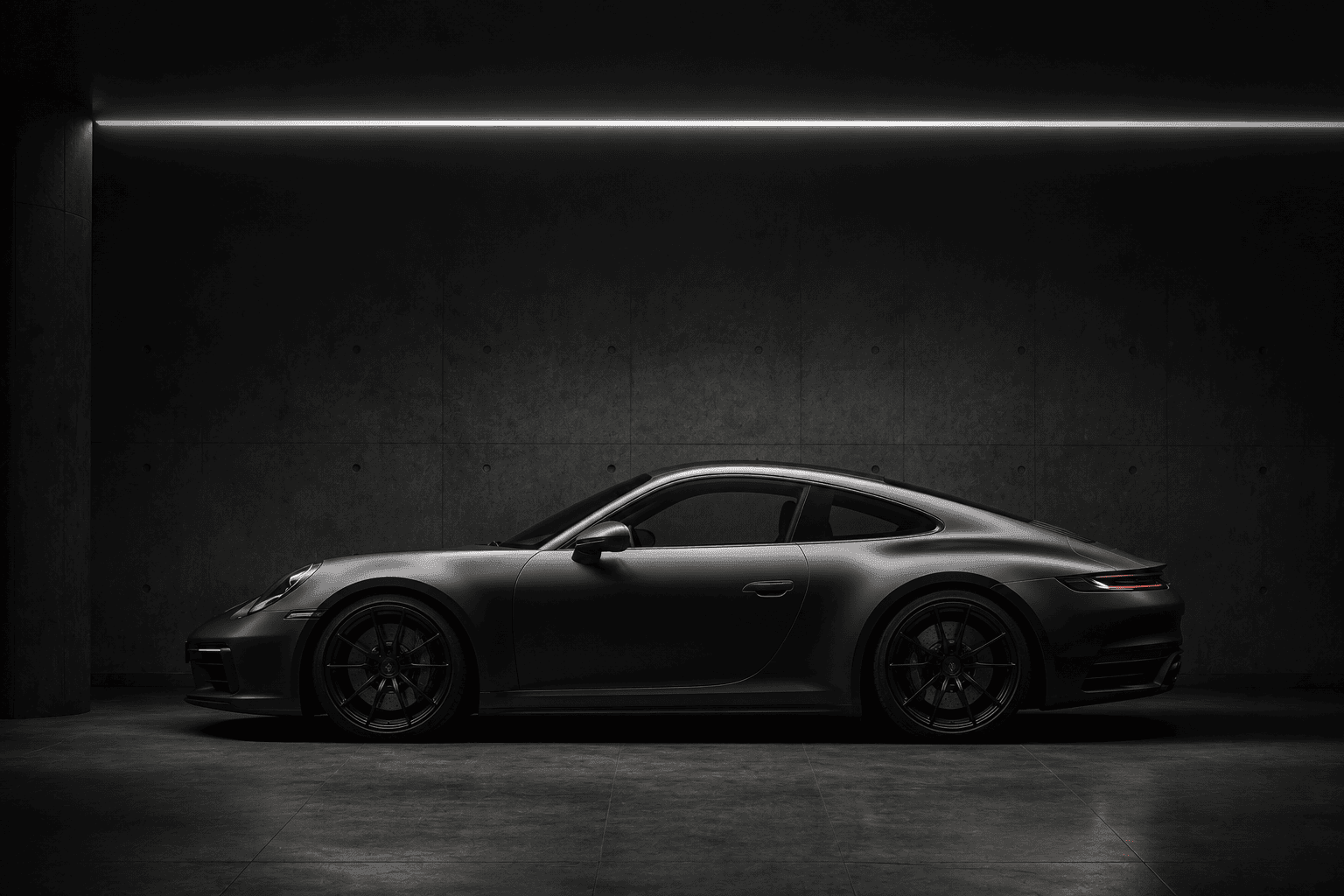
Why Every Car Enthusiast Hates Automatic Car Washes (And You Probably Should Too)
There's something oddly satisfying about driving into an automatic car wash.
You roll in with a dirty car. Three minutes later, you drive out with shiny paint, clean glass, and the feeling that you've done something good for your vehicle.
It feels efficient.
It feels convenient.
It even smells clean.
But ask almost any serious car enthusiast where they would never take their car, and you'll hear the same answer almost instantly:
"An automatic car wash."
Not because enthusiasts enjoy spending hours washing their cars on weekends.
Not because they're obsessed.
But because they understand something most drivers don't:
The way your car is cleaned matters just as much as how often it's cleaned.
Why Automatic Car Washes Look Safe (But Often Aren't)
Modern automatic car washes look impressive.
High-pressure water jets.
Soft-looking foam brushes.
Colorful soap.
Powerful dryers.
Bright LED lights.
From the outside, everything suggests advanced technology.
Unfortunately, the biggest problem isn't what you see.
It's what those brushes have already touched.
Throughout the day, hundreds of vehicles pass through the same machine.
SUVs covered in dried mud.
Pickup trucks with sand.
Cars carrying construction dust.
Vehicles coated in road grime.
Tiny particles of dirt, grit, and debris become trapped inside the brushes or wash materials.
When your car enters next, those same particles are dragged across your paint.
It's no different than wiping your car with sand trapped inside a sponge.
The Real Enemy Isn't Dirt. It's Friction.
Most people think scratches happen because the paint is weak.
That's rarely true.
They happen because tiny abrasive particles are moved across the clear coat.
Imagine rubbing fine sandpaper across a glossy surface.
That's essentially what happens every time contaminated brushes touch your vehicle.
The damage usually isn't dramatic after one wash.
Instead, it builds gradually.
Week after week.
Month after month.
Until one sunny afternoon, you notice your paint no longer reflects light like it used to.
Meet the Enemy Every Car Owner Eventually Notices: Swirl Marks
If you've ever parked your car under direct sunlight and noticed hundreds of tiny circular scratches, you've already met them.
They're called swirl marks.
Swirl marks are microscopic scratches in your vehicle's clear coat that scatter light instead of reflecting it evenly.
The result?
• Dull paint • Hazy reflections • Reduced gloss • A finish that always looks older than it actually is
Black, blue, and dark-colored cars reveal swirl marks the fastest, but every paint color eventually develops them.
One of the biggest causes?
Improper washing techniques—including many traditional automatic car washes.
The Alternative: How to Wash Your Car Safely
If automatic car washes with brushes are out, what are your options?
1. The Two-Bucket Hand Wash This is the gold standard of car care. You use one bucket for soapy water and a second bucket with plain water to rinse your wash mitt. This prevents dirt from being reintroduced to your car's paint.
2. Touchless Automatic Washes If you must use an automated wash, choose a "touchless" option. These use high-pressure water and strong detergents to clean the car without physical contact. While the harsh chemicals can strip traditional waxes over time, they won't induce swirl marks.
3. Professional Detailing A professional detailer uses proper techniques, high-quality microfiber towels, and safe wash methods to ensure your paint stays pristine.
FAQ: Automatic Car Washes and Paint Damage
Are touchless car washes safe for my car?
Yes, they are generally safer than friction-based car washes because nothing physically touches your paint. However, the strong chemicals they use can degrade waxes and sealants over time.
Can swirl marks be fixed?
Yes! Swirl marks can be permanently removed through a process called paint correction (machine polishing). This levels the clear coat and restores a flawless, mirror-like finish.
Does ceramic coating protect against automatic car washes?
While a ceramic coating makes your paint much harder and more scratch-resistant, it is not scratch-proof. A friction-based automatic car wash can still damage a ceramic-coated car over time. We recommend hand washing or touchless washes even for coated vehicles.